
PHASE I & EARLY CLINICAL DEVELOPMENT
Early Clinical Development Built
Around the Study Question
CEBIS supports early clinical development programs including first-in-human studies, pharmacokinetic studies, healthy-volunteer and patient studies, dose-escalation programs and other specialized Phase I requirements.
Clinical, bioanalytical, data, statistical, regulatory and safety activities can be coordinated around the needs of the program.

STUDY TYPES
Support for a Range
of Early Clinical Study Designs
Early development studies are designed around specific questions related to safety, tolerability, pharmacokinetics, dose and product behavior. CEBIS can support different early-phase study models based on the protocol and development plan.
01
First-in-Human Studies
Clinical support for studies evaluating a product in humans for the first time, with activities coordinated around safety, tolerability and early pharmacokinetic objectives.
02
Single Ascending Dose Studies
Support for SAD studies designed to evaluate increasing dose levels and generate early safety and pharmacokinetic information.
03
Multiple Ascending Dose Studies
Support for MAD studies evaluating repeated dosing, tolerability and pharmacokinetic behavior over multiple administrations.
04
Pharmacokinetic & PK/PD Studies
Clinical and analytical coordination for studies evaluating drug exposure, pharmacokinetics and pharmacodynamic endpoints.
05
Healthy Volunteer Studies
Early clinical and pharmacokinetic studies conducted in healthy participants where appropriate for the product and study objectives.
06
Patient Population Studies
Phase I or PK/PD studies can be conducted in defined patient populations when the protocol requires disease-specific participants.
PK & SPECIALIZED STUDIES
Study Designs Based on
Product and Development Needs
CEBIS supports a range of pharmacokinetic and specialized early-phase study designs to address different development questions.
Possible study designs include:
- Single-dose studies
- Multiple-dose studies
- Fasting studies
- Fed studies
- Drug-food interaction studies
- Healthy-volunteer PK/PD studies
- Patient-population PK/PD studies
- Studies in postmenopausal healthy participants
- Clinical-endpoint studies where appropriate
INTEGRATED DELIVERY
Clinical, Analytical and
Data Functions Working Together
Early clinical studies often require several functions to move in parallel. Clinical execution, bioanalysis, pharmacokinetic evaluation, data management, statistics, safety and regulatory activities all need to remain aligned with the protocol and development timeline
CEBIS can coordinate these services as part of one early-development program.
Study Planning & Protocol Support
Study design input and planning based on the development question and required study endpoints.
Clinical Operations
Operational coordination, participant activities, site management and study execution.
Regulatory Support
Support for clinical trial applications, ethics activities and other regulatory requirements based on the study and region.
Bioanalytical Services
Method development, validation and sample analysis supporting pharmacokinetic and related study objectives.
Data Management
Data collection, review, cleaning, reconciliation and database preparation.
Biostatistics & PK Analysis
Statistical and pharmacokinetic analysis supporting evaluation of study results.
Safety & Medical Oversight
Clinical and safety review throughout study conduct.
Medical Writing
Support for protocols, study reports and other clinical or regulatory documents.
STUDY POPULATIONS
Study Support Based on the
Required Population
Early clinical programs may require healthy participants, defined patient populations or other protocol-specific participant groups.
CEBIS can coordinate study operations around the population required by the protocol, including participant identification, eligibility, study visits, sample collection and ongoing study communication.
CEBIS supports studies in healthy volunteers, defined patient populations and postmenopausal healthy participants, depending on the protocol and study design.

Healthy Volunteers
Support for early clinical, PK and related studies in healthy participants where appropriate.
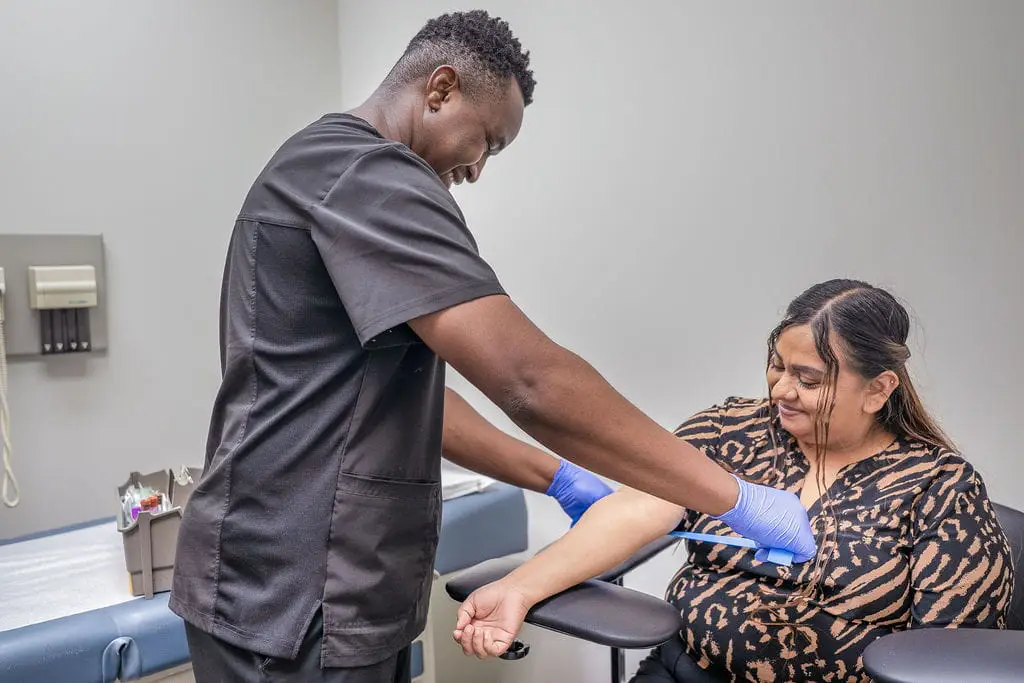
Patient Populations
Support for Phase I and PK/PD studies in patients where disease-specific participation is required.
BIOANALYTICAL SUPPORT
From Clinical Samples to
Pharmacokinetic Data
Early clinical studies frequently depend on timely coordination between clinical execution and bioanalytical sample analysis.
Bioanalytical support can include method development, method validation, sample analysis, pharmacokinetic support and services connected to BA/BE studies.
By aligning clinical, bioanalytical, data and statistical activities, study information can move efficiently from participant visits and sample collection through analysis and final interpretation.

PROGRAM CONTINUITY
Early Studies That
Support
the Next Step
The purpose of early clinical development is not simply to complete a Phase I study. The data generated should help the sponsor understand the product and determine the appropriate next development step.
CEBIS can coordinate clinical, pharmacokinetic, analytical, statistical and reporting activities so study outputs are organized for continued development.
Planning a Phase I or Early-Development Study?
Tell us about the product, study design, participant population, pharmacokinetic requirements and expected timeline. A member of the CEBIS team can discuss the appropriate early-development support for your program.